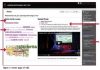
When ChatGPT was first released in November 2022, although it – and the plethora of generative artificial intelligence (GenAI) chatbots (Anthropic’s Claude; Meta’s Llama; DeepSeek) that followed – seemed immensely powerful and disruptive, we needed to make a conscious choice to use them. We needed to open the application and interact with them to get assistance with a task: generating a text, creating an image or analysing or critiquing some artefact (Moorhouse, 2024). However, a few years on, the GenAI landscape is changing. We are now seeing a relentless expansion of GenAI into almost all everyday digital environments. Rather than . . .
---------------------------
This content is available to Modern English Teacher subscribers. If you have a subscription, please log in below, or start your subscription today.
---------------------------