
Recently, I had the pleasure of attending a conference and one of the focus areas, besides AI, was, unsurprisingly, sustainability. Whenever we are talking about sustainability, most often topics like climate change, recycling, the SDGs, and environmental awareness are explored. All these topics are incredibly vital and there were truly some excellent talks and initiatives presented on how to integrate climate awareness into the curriculum and classroom, but I could not help feeling something was missing in this conversation. It seems that we forget about the one that quietly underpins all the others: If we want to combat climate change, we need go beyond the climate crisis and start with our self.
What is the sustainable self?
As Gandhi once said, “if you want to change the world, start with yourself” and that change begins within, with what I like to call strengthening our sustainable self. I’m a strong believer that sustainability begins with becoming self-sustainable, and no I don’t mean growing your own fruit and vegetables but looking at sustainability through a more holistic lens. One that includes self-awareness, self-regulation and self-care as the foundation for everything else. I strongly believe that students and teachers need these skills, as these form the foundation of making compassionate decisions and taking collaborative, ethical action towards a greener planet.
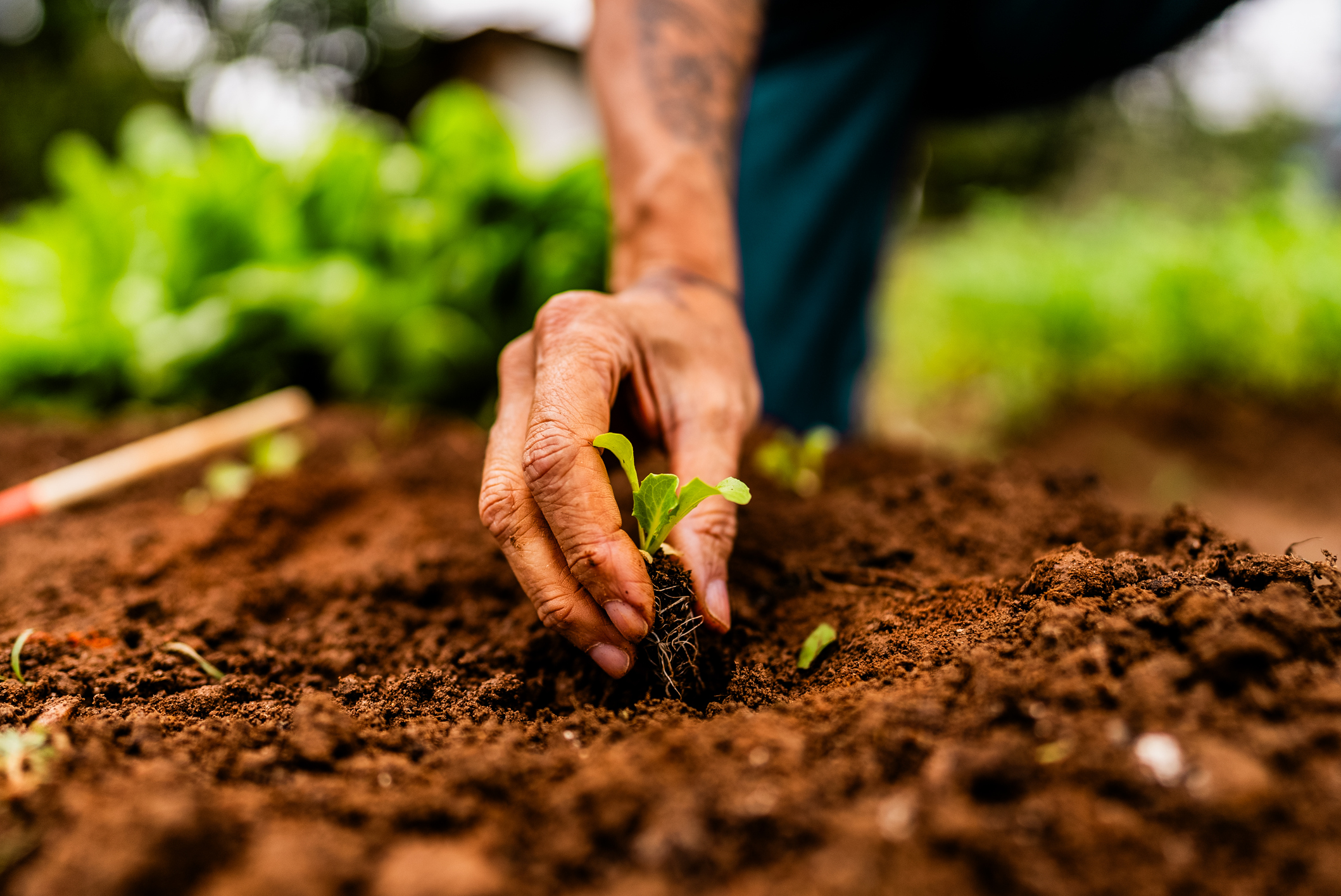
In other words, a sustainable self is about maintaining the physical, emotional, and mental balance that allows us to keep showing up in healthy, compassionate, and hopeful ways even though the climate crisis may be depressing and worrying us. Because, if we can’t sustain our selves, how can we sustain the planet?
Why self-sustainability matters
The climate change crisis affects everyone in different ways, but it is not uncommon for people to experience anxiety, and teenagers in particular seem to suffer from eco-anxiety (Usher et al, 2019). This can be defined as the fear or mental distress or helplessness that can come from seeing the state of the planet and the worsening environmental conditions.
When our nervous system is constantly on alert, our emotional brain takes over and the prefrontal cortex, the part responsible for reasoning, planning, and empathy goes “offline”. This means that our thinking narrows and that we become more reactive and less reflective. This may lead to us losing the ability to see the bigger picture. When that happens, we struggle to listen with openness and have less capacity to deal with challenges or to think innovatively about problems and build or maintain relationships with others.
I think we all know what happens if this mental state remains. If our inner world is anxious or overwhelmed and we are unable to calm our emotions, we cannot channel our energy towards the right course to sustain the planet. This state can erode our capacity to care, collaborate, creatively think and to take meaningful action. All of which are essential for addressing the climate crisis together. Therefore, we need to nurture the conditions inside us that allow for clear thinking, collaboration and compassionate decision-making first.
To channel negative climate emotions into positive action, we first need to create an inner ecosystem that supports ourselves. We need to:
• Understand our feelings about the climate crisis
• Manage our emotions about changes in our natural world
• Practise daily pro-active acts of self-care
All of the above can help to build genuine, supportive relationships to work together in protecting our planet.

Self-awareness: knowing and understanding our feelings
Sustainability begins with self-awareness, noticing how what’s happening around us makes us feel within. It is important that we understand that worry, anger, or grief are normal and valid responses to the climate crisis. Instead of burying these emotions, it is more helpful to acknowledge them without judgment and be curious about them.
Also, it is important to remember that whilst there are various climate challenges out there, it is impossible to respond to all of them. We need to identify how we feel about these challenges and decide which situation evokes the strongest emotion in us. This will help us identify which area to focus on as we simply can’t do everything. So, we – and our learners- can use the below questions to reflect.
• What emotions come up for me when I think about the climate?
• When does my climate concern feel most intense?
• Which emotion feels the strongest right now?
• What situation(s) triggers these emotions?
• When/if I feel …. what exactly am I …. about/of?
Self-regulation: managing those feelings
Managing our feelings about the climate crisis doesn’t mean suppressing them, it means recognising what we feel and when and tyring to managing these feelings in a productive way. If we feel fear or rage, which are all heightened emotional states, that may not create the best conditions for problem-solving or thinking (remember a thinking brain needs a calm brain…). To make a difference we need to find ways to shift our emotions to a state where these feelings can motivate us to do something good for the planet. A good start is to think about:
• How do these emotions influence my thoughts and actions?
• What do I need right now to feel calm? Do I need information, community etc.?
• What strategies genuinely calm me or bring perspective?
• What helps me regulate these emotions in a healthy way?
• What would help me feel more grounded when facing climate uncertainty?
It could be a short grounding routine such as a breathing exercise or a happy-place visualisation that can help the body settle, allowing the brain to regain that calm. The same with our students: in our classrooms we can integrate short regulation breathing or visualisation practices such as thinking about a calm place or simply plan for a few minutes of journaling or mindfulness to reconnect with the calm self. These moments can strengthen our focus and calm which are both essential ingredients for self- sustainability and our overall wellbeing.
Being emotional agile
When we have discovered the area that give us the stronger emotional reaction and we have calmed our brain, it is helpful to turn our emotions into action and hope. Having emotional agility can guide us here. Psychologist Susan David (2016) describes emotional agility as the ability to navigate our inner experiences. It is not about ignoring difficult emotions and thoughts, it’s about facing them courageously and compassionately, and then moving past them without being consumed by them. Developing this flexibility matters deeply for young people who are facing an uncertain future. They need to know it’s okay to feel fear, anger, or sadness about global issues and -once they have calmed their brain- work on turning those emotions into meaningful insights and action, rather than despair. We can use these questions to help:
• What story am I telling myself about this issue (e.g. there’s nothing I can do)?
• Is that story completely true, partly true, or is it just a habit of thinking?
• How can I use this emotion as information rather than letting it overwhelm me?
• Regarding this issue, which actions feel within my control?
• What is one small step I can take to help the planet?
Self-care: the foundation of being self- sustainable
Finally, the sustainable self knows when to pause, rest, and reenergise to prevent burnout and maintain long-term motivation to hold up the fight. In other words, self-care isn’t a luxury, it is maintenance. It’s how we preserve the energy that fuels our actions for a better world, with creativity and care. It can be as simple as sleep, hydration, laughter, or time in nature. Or it can be reflection, journaling, gratitude, or simply giving our selves the permission to slow down, go for a walk or have a cup of tea! Self-care is different for everyone, but consider these questions:
• What brings me joy?
• How can I intentionally build moments of joy or play into my week?
• What small pleasure or ritual helps me reconnect with myself?
• Who can I reach out to when I need support or feel heard?
• What is one thing I can do today to care for my future self?
• How can I make self-care part of my routine, not an afterthought?
Wellbeing is not separate from achievement; it is the foundation of it. And out students need to understand that they can only care for the planet and for others if they first care for themselves. When we nurture our inner balance, we can act with more purpose, empathy, compassion and courage and work better with others! And connecting with others is essential as we can’t change the world alone! In other words, our inner sustainability fuels our ability to collaborate effectively with others.
Final thoughts
So perhaps it’s time to expand the definition of sustainability in ELT. Yes, keep teaching about climate change, the SDGs, and global responsibility. But let’s also teach and model what it means to sustain ourselves. Let’s make self-awareness, self-regulation, and self-care part of our professional conversation, our training and our classroom culture. Because only when we start with ourselves can we create classroom communities that take global action for a more sustainable world.