
“It’s day 24 of the war”, I copy from the daily update we receive. For some reason, I never imagined I would write that sentence in my lifetime. But who am I to assume I would never experience conflict like this? I have been incredibly fortunate. I did not grow up in a context shaped by political conflict or instability and we are not targeted here. Places nearby are.
I’m aware that there are places in the world where conflict has sadly been a reality for many years now. Places that are not far away. Places that are not unknown to me. Through my work and travels, I have met the people there, people who once lived what some might now call “normal” lives, with routines, hopes, and ambitions for the future. Lives that have since been disrupted by circumstances so unimaginable, and yet they have become their new normal. Their resilience is incredible. Part of me tells myself “don’t complain. It’s not that bad.” I mean, I can still go for a walk. I can still get my morning coffee. I still have a safe place to live in.
And yet, something has changed. My mind can try to make sense of the situation, at least as far as one can make sense of the current climate. But my body seems to tell an entirely different story. My jaw is clenched at night. My shoulders are super tight. I wake up from my cat jumping on the table. It feels like I’m on edge 24/7… I feel like I’m in a constant state of high alert, ready to act. The torrential rain and thunder all day did not help. Something as ordinary as thunder was making me jump today and … my neighbour starting up his lawnmower! Crazy. I feel exhausted…
When the body takes over
The above is an abstract of an entry in my daily journal, which I’m writing as we live in the midst of a political dispute. I wanted to share this as it has reminded me of something important: that even whilst we may cognitively believe that we are okay and safe, our nervous system does not always follow. As a result, our body may still respond as if there is a serious threat, a response that is not dissimilar to being affected by trauma (for more on this, don’t miss Anna’s recent title, 50 Ways to Include Learners Affected by Trauma).

Trauma is often misunderstood as being about the event itself. But in many ways, it is more about how the body and nervous system respond to what is happening or what has happened. In other words, it is more about the effect of the event and how one experiences it than the event.
The nervous system is constantly sensing the environment and sends information to its control centre: the brain. The brain process that information with its primary aim of survival. It continuously checks the incoming data against one key question: are we safe? When the answer is yes, the brain’s thinking areas, responsible for attention, memory, processing information and executive functioning can do their job. However, when the answer is no, due to stress or a trauma response, the nervous system can shift into high alert (often referred to as “fight, flight, or freeze” response) or even into hypo-alert (known as a ‘flop” response). In both states, the brain prioritises protection over thinking, making it much harder for us to focus, to plan, to respond quickly, or to complete simple tasks.
What learning and teaching may look like in challenging times
In recent years, many teachers around the world have found themselves teaching in challenging circumstances. In ELT classrooms, where communication, pair and group work are essential for participation, this has clear implications. For learners, it might look like disengagement, avoidance, or difficulty concentrating. For example, a student who seems distracted may simply be struggling that day with processing information due to stress or fear. Even avoidance, not wanting to participate may be a (misapplied) coping strategy our brain directs to keep us safe. So while we may interpret learners’ behaviour as lack of motivation or effort, in fact it may be a nervous system doing its best to stay safe and get through the day.
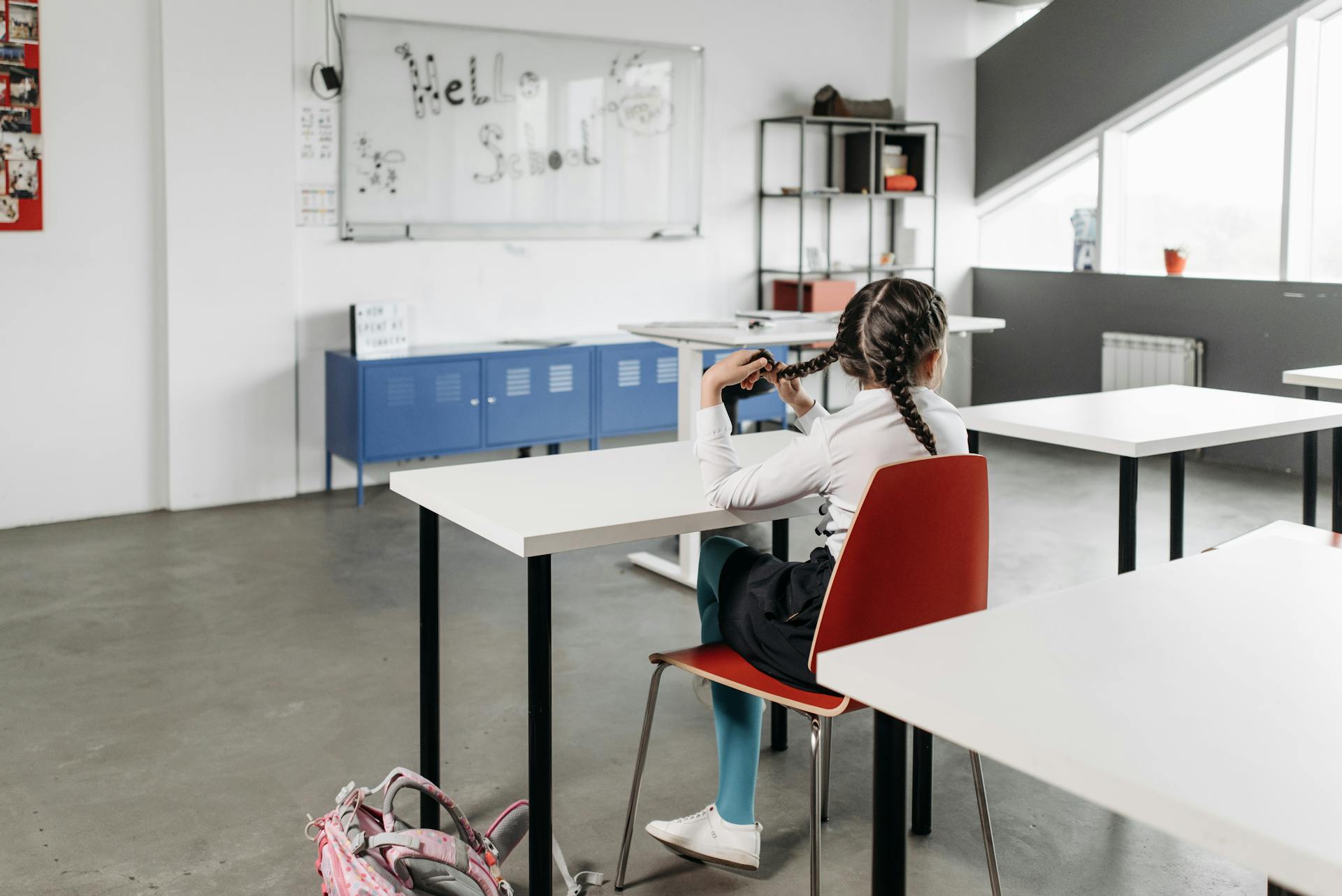
And the same applies to us teachers. We may notice that we have less patience with learners (or our family…), find it harder to concentrate on marking or during meetings and we may feel more easily overwhelmed. We may move more quickly into frustration, or feel drained more quickly than usual. Feeling distracted or unusually tired are not signs of failure, it is our nervous system is protecting us. They are human responses in challenging times.
One important aspect we often overlook is that emotional states are contagious. I’m sure, we’ve all walked into a lesson feeling great to only feel a sense of frustration in the room and slowly coming over you! But it also works in the other direction, our learners are highly attuned to how we show up. They pick up on our tone of voice, our body language, and our emotional presence. If we feel unsettled, it can influence the overall classroom atmosphere. It’s like a ripple effect which brings us to an important point. If we want to support our learners in challenging times, we need to begin by supporting ourselves.
It starts with us: supporting ourselves
Supporting ourselves does not mean we need to be perfectly calm all the time. It means we need to develop awareness of our own responses and find ways to gently regulate ourselves so we can continue to show up for our learners. You can find some simple strategies below.

Protect your wellbeing. Rest and personal time are essential for being able to keep showing up for our learners and supporting others. Create small routines for yourself such as micro-breaks, an opportunity to stretch or complete a word puzzle, short walks, a quiet moment before class or simply a hot cup of tea can create a sense of stability and help you hold some space for yourself during stressful times.
Set boundaries: Actively manage your workload and set limits on your exposure to news and social media, especially before teaching. I’ve found that only checking my emails and messages twice a day works best for me as it reduces the overwhelming feeling that I must reply now.
Practise self-compassion and adjust expectations: There will be days when we are less focused, less patient, and maybe less productive. Just know that this is not a personal failure, it is a natural response to external stress. Think about what you would say to a colleague. For example, it’s okay, productivity and focus may fluctuate during challenging times or ‘some days will feel harder, and that is okay. Now, say this to yourself because this can help reduce the pressure on yourself.
Reflect regularly: reflecting through daily journalling or giving yourself a mindful moment for informal reflections can help process difficult experiences. They do not need to be long, you can record them if you prefer. You can focus on What went well today? What felt challenging? What is it that I feel I need right now?
Celebrate small wins: Notice the positive moments in life and when your teaching and think about the difference you make in their lives. At the end of the day write down 3 things that gave you joy or one thing that you felt was a success. It can be as simple as making a student smile or finally completing a long-outstanding task.
Breathing techniques: When things feel overwhelming, take a brief pause. Take some slow, deep belly breaths such as in for 4, hold for 7 and out for 8. Keep going for another 3 rounds. This technique helps to calm the nervous system and can thus reduce stress. You will find many other breathing techniques online that can help you relax.

Stay connected: you don’t have to do this alone! Talk to friends or colleagues, sharing experiences, and supporting each other can make a significant difference. Discussing experiences or talking about strategies for managing challenging situations can help maintain some emotional balance. Sometimes, simply knowing that others feel the same can be reassuring.
A final thought
In uncertain times, we may not be able to change what is happening around us nor stop ourselves from having days difficult days. It is by supporting ourselves that we can show up for our learners on their difficult days. And being able to show up with presence, some patience and care can make a world of difference to them, which may in uncertain times matter more than ever.

References
Hasper, A. (2026) 50 Ways to Include Learners Affected by Trauma, DELTA Publishing.